The Container Orchestration Landscape Has Matured
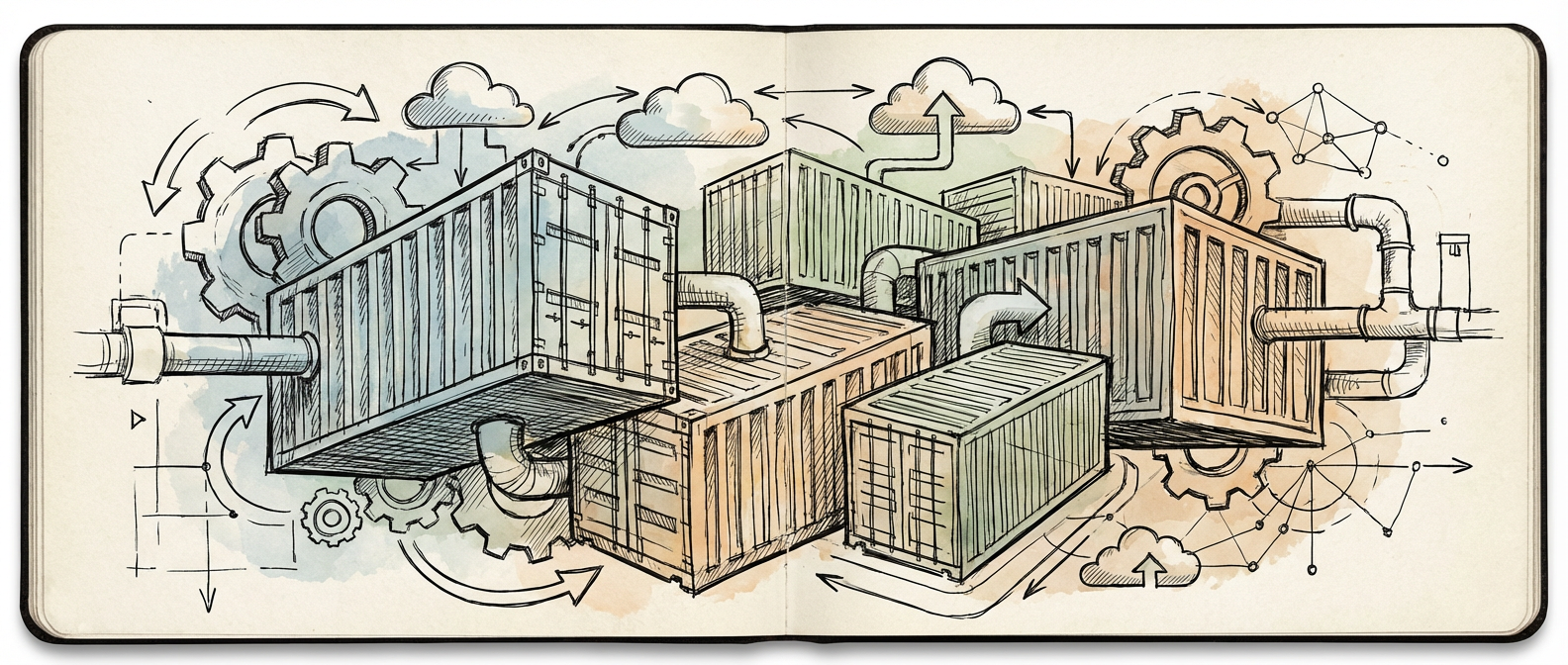
The container revolution has hit a major milestone. Organizations running containerized workloads have overwhelmingly standardized on Kubernetes, with adoption rates climbing to 84 percent across enterprises managing container infrastructure. This dominance shows just how dramatically software teams have changed the way they architect and deploy applications.
For technology professionals, this consolidation creates both opportunities and challenges. The Kubernetes documentation ecosystem has become required reading for anyone working in modern infrastructure. But the complexity that comes with this power has created entirely new career paths and specializations.
Docker Desktop maintains its position as a developer favorite despite ongoing licensing discussions that sparked industry debate. This persistence reveals something important about developer workflows: when tools become deeply integrated into daily practices, switching costs extend far beyond simple feature comparisons. Smart career builders recognize that understanding these adoption patterns helps predict which skills will remain valuable long-term.

Platform Engineering Is Infrastructure’s Next Big Thing
The rise of platform engineering teams is one of the biggest organizational changes in modern software development. These specialized groups focus on hiding infrastructure complexity from application developers, creating self-service capabilities that speed up delivery without sacrificing operational quality.
This trend creates compelling career opportunities for professionals who understand both infrastructure fundamentals and developer experience design. Platform engineers combine deep technical knowledge with product thinking, building internal tools and abstractions that make complex systems accessible to broader engineering teams.
The role bridges traditional operations and development in ways that pure DevOps approaches sometimes struggled to achieve. Organizations implementing platform engineering often see dramatic improvements in developer productivity and system reliability. For individual contributors, this field offers the chance to work on problems that directly impact entire engineering organizations.
Observability and Security Get Kernel-Level Superpowers
Extended Berkeley Packet Filter technology has emerged from Linux kernel obscurity to become a game-changer in how we monitor and secure containerized applications. eBPF enables unprecedented observability and security capabilities by running programs directly in the kernel space, eliminating the need for traditional code instrumentation.
This technological leap matters for career planning because it fundamentally changes how we approach system monitoring and security. Traditional application performance monitoring often required developers to add instrumentation libraries and modify code. eBPF-powered tools can gather detailed telemetry without any application changes, shifting the skill requirements for observability specialists.
Security professionals are experiencing similar disruption. eBPF enables runtime security monitoring that can detect threats and policy violations at the kernel level, providing visibility that was previously impossible or prohibitively expensive. The CNCF landscape now includes numerous eBPF-powered projects, signaling broad industry investment in this technology stack.
WebAssembly Breaks Free from Browser Constraints
WebAssembly workloads are gaining serious momentum in server-side environments, extending far beyond their original browser-focused design. This expansion creates new possibilities for polyglot development and portable computing that could reshape how we think about application deployment and runtime environments.
The server-side WebAssembly movement appeals to organizations seeking better performance isolation and language flexibility. Unlike traditional containers, WebAssembly modules start in microseconds and provide near-native performance with strong security boundaries. These characteristics make them particularly attractive for edge computing and serverless applications.
For developers, this trend suggests that WebAssembly skills may become increasingly valuable beyond frontend development. Understanding how to compile applications to WebAssembly targets and deploy them in server environments could differentiate candidates in competitive job markets. The technology also opens opportunities for developers working in languages that traditionally struggled with performance-critical server applications.
GitOps Practices Become Infrastructure Standard
GitOps has evolved from experimental practice to operational standard among organizations with mature DevOps cultures. This declarative approach to infrastructure and application management treats Git repositories as the single source of truth for desired system state, enabling automated deployment and configuration management.
The widespread adoption of GitOps practices reflects broader industry maturation around infrastructure as code and automated operations. Teams implementing GitOps typically see improvements in deployment consistency, rollback capabilities, and audit trails. These benefits have made GitOps adoption a competitive advantage for organizations managing complex, multi-environment deployments.
Career-wise, GitOps expertise has become table stakes for senior infrastructure roles. Understanding GitOps workflows, tooling, and architectural patterns helps professionals stand out in interviews and project discussions. The practice also reinforces the importance of Git proficiency beyond traditional version control, making repository management and branching strategies critical operational skills.
These container and platform engineering trends are reshaping technology careers at multiple levels. Whether you’re considering specialization in platform engineering, exploring eBPF-powered observability tools, or building WebAssembly expertise, understanding these movements helps inform strategic career decisions. What aspects of this changing landscape align with your current role and future aspirations?